


The Skills and Knowledge Used by Successful People
(And How To Get Them)
Success in any field or endeavour is often the result of a combination of skills, knowledge, and traits that individuals cultivate over time. While there is no one-size-fits-all formula for success, research and observations of successful people across various industries suggest that there are commonalities in the skills and knowledge they possess and utilize.
This article explores these key components, drawing from a variety of sources and studies to provide insights into what drives, enables, and encourages the development of success. Personal and Professional!
Critical Thinking and Problem Solving
Critical thinking and problem-solving skills are fundamental for success in any field. These skills enable individuals to analyze situations, identify potential problems, and develop effective solutions. The World Economic Forum, in its “Future of Jobs Report,” consistently highlights critical thinking as one of the top skills needed to thrive in the modern workplace.
This is because, in a rapidly changing business environment, the ability to assess information critically and solve complex problems is invaluable (World Economic Forum, 2020).
Emotional Intelligence
Emotional intelligence (EQ) is the ability to understand, use, and manage one’s own emotions in positive ways to relieve stress, communicate effectively, empathize with others, overcome challenges, and defuse conflict.
Goleman (1995) introduced the concept of EQ and its importance in the workplace, arguing that EQ is as important as intellectual intelligence (IQ) for success. High EQ helps leaders manage their emotions and understand the emotions of others, fostering better team dynamics and enhancing leadership effectiveness.
Training in both NLP and Coaching gives us the core skills to “step into others peoples shoes” (NLP Second-Positioning) and gain an insight into how others are feeling, and with this insight have an understanding how you can help. Often by simply asking the right questions in an outcome focused manner.
Adaptability and Learning Agility
The pace of change in today’s world is unprecedented, making adaptability and learning agility critical skills for success. Successful individuals are those who can quickly learn from experiences and adapt to new information or environments.
Mercer’s “2020 Global Talent Trends” study emphasizes the value of adaptability and continuous learning in the workplace, suggesting that the most successful professionals are those who are committed to lifelong learning and are agile in the face of new challenges (Mercer, 2020).
In NLP training, one of the key areas of focus on the Four Pillars of NLP, here at UKCPD, we call these Four Pillars of Success.
 Having a solid understanding of these and the under lying philosophy of NLP (The Presuppositions of NLP) gives us the confidence to step out of “usual way or” or group thinking” and see the situation for what it is, possibly even an opportunity.
Communication Skills
Effective communication is essential for success. It encompasses not only speaking and writing clearly but also listening actively and expressing ideas in a way that is compelling and understandable to others.
Harvard Business Review highlights communication as a critical skill for leaders, noting that the ability to communicate effectively can inspire teams, build trust, and drive business results (Harvard Business Review, 2019).
The NLP Communication Model gives us insights into how individuals process and respond to what to see, hear and feel about a particular message.
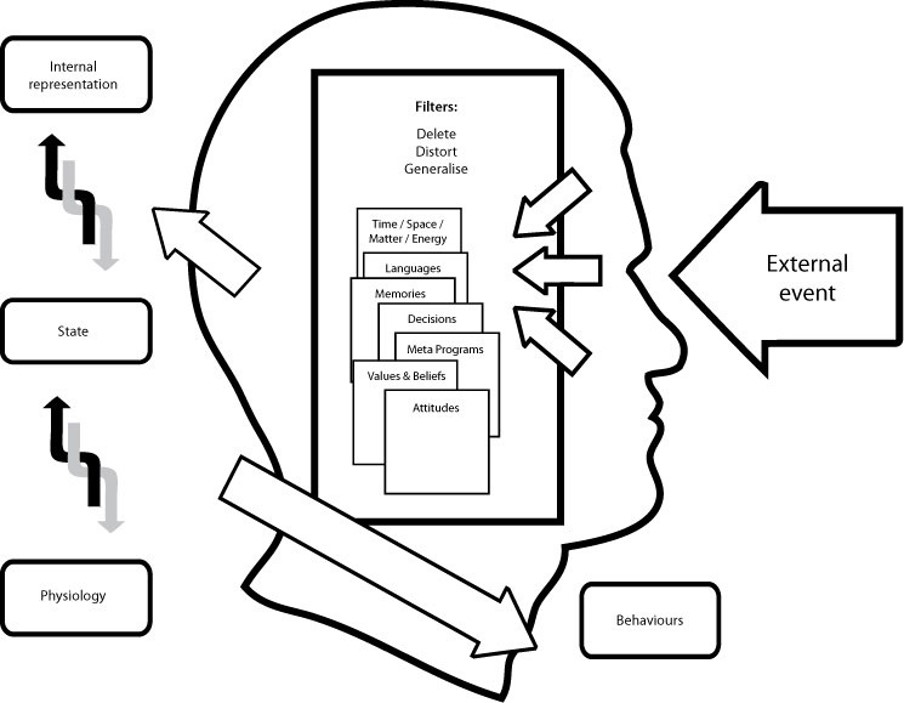
It also gives us powerful methods of becoming a real key person of influence in any situation by leveraging the NLP Communication tool kit. Read a more details article on this by clicking HERE.
Technical and Digital Literacy
In the digital age, technical and digital literacy are becoming increasingly important. Successful individuals, regardless of their field, possess a foundational understanding of technology and digital tools relevant to their industry. This knowledge enables them to leverage technology to improve efficiency, solve problems, and stay competitive.
The McKinsey Global Institute (2017) reports that as digital technologies transform industries, professionals who are proficient in digital tools and platforms have a significant advantage.
Networking and Collaboration
The ability to network and collaborate effectively with others is a key driver of success. Building strong relationships and working well in team settings can lead to new opportunities, enhance learning, and foster innovation.
LinkedIn’s “2020 Workplace Learning Report” underscores the importance of social learning and collaboration, indicating that professionals who actively seek out and engage in collaborative opportunities are more likely to succeed in their careers (LinkedIn, 2020).
Once again, the core skills of NLP and Coaching enable us to have the confidence to speak with conviction and passion to just about anyone in any networking situation.
Success is multifaceted and can be attributed to a blend of skills, knowledge, and personal traits. Critical thinking, emotional intelligence, adaptability, communication, technical and digital literacy, and networking and collaboration are among the key components that successful individuals tend to possess and cultivate.
While the importance of each skill may vary by industry and role, focusing on developing these areas can provide a strong foundation for achieving success in any endeavour.
This is the main reason we recommend studying NLP and Coaching as it gives you the opportunity to develop the skills for success in the 21st century.
References
- World Economic Forum. (2020). The Future of Jobs Report 2020.
- Goleman, D. (1995). Emotional Intelligence. Bantam Books.
- Mercer. (2020). 2020 Global Talent Trends Study.
- Harvard Business Review. (2019). The Art of Communication.
- McKinsey Global Institute. (2017). Digital Transformation: The Age of Innocence, Inertia, and Innovation.
- UKCPD – Think BIG – The NLP Communication Model
- UKCPD – NLP Practitioner & Coach Certification
- LinkedIn. (2020). 2020 Workplace Learning Report.
.

